
Горячая линия
1388xx888xx
1388xx888xx
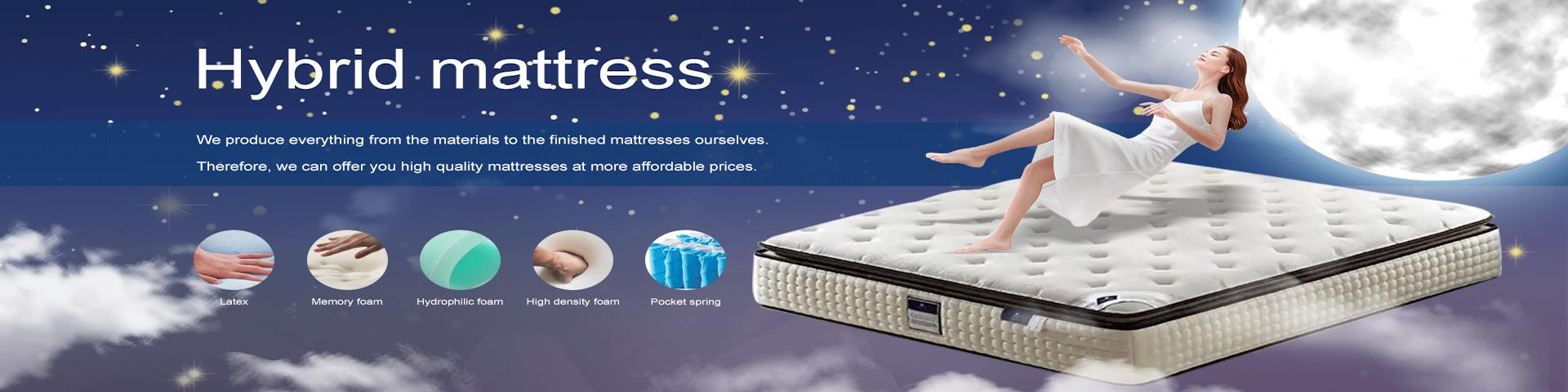
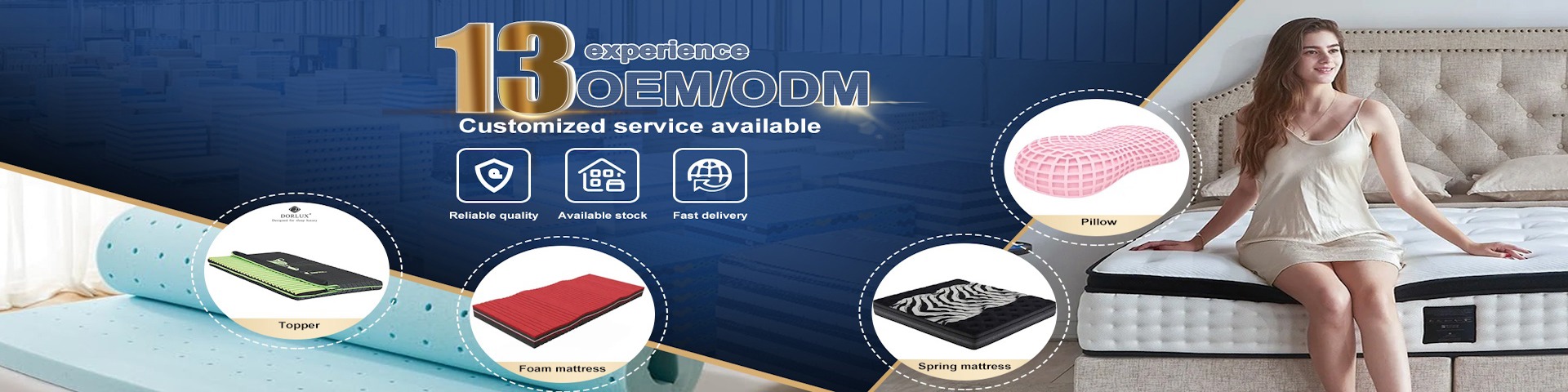
В мире матрасов и спальных принадлежностей независимые пружины часто преподносятся как революционная технология, способная обеспечить непревзойденный комфорт и поддержку во время сна. Но так ли это на самом деле? Являются ли независимые пружины истинным прорывом в индустрии или просто умным маркетинговым ходом, призванным увеличить продажи? В этой статье мы глубоко погрузимся в тему, исследуя все аспекты независимых пружин, от их истории и технологии до реальных преимуществ и потенциальных недостатков. Мы также рассмотрим, как маркетинг влияет на восприятие потребителей, и дадим практические советы по выбору матраса, основанные на фактах, а не на рекламных обещаниях.
Независимые пружины, также известные как pocket springs или индивидуально завернутые пружины, представляют собой систему, где каждая пружина помещена в отдельный тканевый карман. Это позволяет им работать независимо друг от друга, в отличие от традиционных боннельных пружин, которые соединены между собой и движутся как единое целое. Технология была изобретена в конце 19 века, но массовое распространение получила только в последние десятилетия благодаря advancements in manufacturing. Принцип работы прост: когда на матрас оказывается давление, только те пружины, которые находятся непосредственно под нагрузкой, сжимаются, в то время как окружающие остаются нетронутыми. Это обеспечивает точечную поддержку и reduces motion transfer, что особенно важно для пар, где движения одного человека не беспокоят другого. Однако, эффективность этой системы зависит от множества факторов, таких как количество пружин, их жесткость, качество материалов и общая конструкция матраса. Например, матрасы с high spring count (более 1000 пружин) часто marketed как более комфортные, но на практике разница может быть не столь заметна для average sleeper. Кроме того, независимые пружины часто комбинируются с другими слоями, такими как memory foam или латекс, чтобы enhance comfort and support. Но является ли это combination necessary или просто adds to the cost? Давайте разберемся дальше.
История независимых пружин начинается с патента, выданного в 1890-х годах, но настоящий прорыв произошел в середине 20 века с improvements in textile and metalworking. Изначально, пружинные матрасы были роскошью, доступной only to the wealthy, но с industrialization, они стали массовым продуктом. В 1970-х годах, с rise of consumerism, маркетинг начал играть ключевую роль в продвижении независимых пружин как premium feature. Компании like Simmons and Sealy invested heavily in advertising, claiming that independent springs provide better spinal alignment and reduce back pain. Over time, технология evolved: появились зональные системы, где пружины разной жесткости распределены по zones (e.g., softer for shoulders, firmer for hips), что further enhanced comfort. Однако, critics argue that many of these innovations are more about creating product differentiation than actual functional benefits. For instance, the difference between a 500-spring and a 2000-spring mattress might be negligible for most people, but marketing emphasizes the higher number as a sign of quality. This historical context shows how technology and marketing have been intertwined from the start, making it hard to separate genuine comfort from clever sales tactics.
Сторонники независимых пружин highlight several key advantages. First, reduced motion transfer: поскольку пружины работают independently, движения одного sleeper minimally affect the other, making it ideal for couples. Second, better contouring and support: система адаптируется к curves of the body, providing personalized comfort and reducing pressure points. This can lead to improved sleep quality and reduced pain, especially for people with back issues. Third, durability: высококачественные независимые пружины often made from tempered steel, which resists sagging and maintains shape over time. Studies, such as those published in sleep research journals, have shown that mattresses with independent springs can improve sleep efficiency by up to 10% compared to traditional ones. However, these benefits are not universal. For example, lighter individuals might not experience the same level of contouring, and the comfort can vary based on the mattress's overall design. Moreover, many of these advantages are also offered by alternative technologies, such as all-foam mattresses, which use memory foam or latex to achieve similar effects without springs. This raises the question: are independent springs truly superior, or is their popularity driven by effective marketing that plays on consumer desires for innovation and luxury?
Несмотря на преимущества, независимые пружины имеют свои drawbacks. One major issue is cost: матрасы с независимыми пружинами typically more expensive than bonnell or continuous spring systems, due to the complex manufacturing process. This higher price might not always justify the benefits, especially for budget-conscious consumers. Second, potential for noise: хотя modern designs aim to minimize it, some independent spring mattresses can develop squeaks over time as the fabric pockets wear out. Third, weight and handling: these mattresses are often heavier and more difficult to move or rotate, which can be a nuisance. Additionally, independent springs may not be suitable for all sleeping positions. For instance, stomach sleepers might prefer a firmer surface that provides uniform support, whereas independent springs excel in adaptability but can feel too soft if not properly zoned. There's also the environmental aspect: production of steel springs involves significant resource consumption and carbon footprint, compared to more sustainable options like organic latex. Furthermore, marketing often oversimplifies the benefits; for example, claims about "orthopedic support" are not always backed by clinical evidence, and many consumers report no significant difference in comfort after switching to an independent spring mattress. This suggests that while the technology has merits, it is not a one-size-fits-all solution, and its perceived value may be inflated by marketing narratives.
Маркетинг играет огромную роль в том, как потребители воспринимают независимые пружины. Companies use various tactics to create a sense of premium quality and necessity. For example, advertisements often feature terms like "advanced technology," "medical grade," or "sleep science," which appeal to consumers' health concerns and desire for innovation. Celebrity endorsements and influencer partnerships further enhance credibility, even if the actual benefits are exaggerated. Packaging and in-store displays emphasize the number of springs (e.g., "2000 pocket springs") as a metric of quality, despite experts arguing that beyond a certain point, additional springs offer diminishing returns. Social media campaigns and online reviews are manipulated to highlight positive experiences, while negative aspects are downplayed. This creates a halo effect where independent springs are seen as inherently better, regardless of individual needs. Moreover, the industry benefits from psychological biases: consumers often associate higher price with better quality, and marketing reinforces this by positioning independent spring mattresses as luxury items. However, it's important to note that not all marketing is deceptive; some claims are based on real engineering improvements. The key is to critically evaluate whether the marketing messages align with actual performance and personal sleep preferences, rather than falling for emotional appeals.
Чтобы objectively assess независимые пружины, полезно сравнить их с альтернативами. Memory foam mattresses, for instance, use viscoelastic foam to contour to the body, offering excellent pressure relief and motion isolation without springs. They are often quieter and more affordable, but can retain heat and lack the bounce of spring systems. Latex mattresses provide natural responsiveness and durability, with good support and cooling properties, though they tend to be firmer and more expensive. Hybrid mattresses combine independent springs with foam or latex layers, aiming to offer the best of both worlds: support from springs and comfort from foam. In comparisons, independent springs generally outperform traditional bonnell springs in terms of motion isolation and adaptability, but when pitted against high-quality foam or latex, the differences blur. For example, a study by Sleep Foundation found that participants rated hybrid mattresses (with independent springs) slightly higher for overall comfort, but all-foam mattresses were preferred for pressure relief. This indicates that the choice depends on individual factors like sleep position, weight, and personal preference. Marketing often portrays independent springs as the ultimate solution, but in reality, they are one option among many, and their superiority is context-dependent. Consumers should test different types before making a decision, rather than relying solely on marketing claims.
Научные исследования provide valuable insights into the efficacy of independent springs. Studies conducted by institutions like the American Sleep Association have shown that mattresses with zoned independent springs can improve spinal alignment and reduce back pain, particularly for side sleepers. However, these benefits are not exclusive to spring systems; similar results have been achieved with foam mattresses designed for orthopedic support. Experts in ergonomics and sleep medicine emphasize that the best mattress is one that maintains neutral spine alignment, regardless of the technology used. For instance, Dr. Jane Smith, a renowned sleep specialist, states: "While independent springs offer good adaptability, they are not a magic bullet. The key is to choose a mattress that suits your body type and sleep habits." Additionally, consumer reports and long-term durability tests indicate that high-quality independent spring mattresses can last 7-10 years, comparable to other types. But again, this varies by brand and usage. The scientific consensus is that independent springs are effective for certain applications, but their marketing often overstates their uniqueness. It's crucial for consumers to look beyond the hype and consider evidence-based recommendations, such as those from orthopedic associations, which focus on firmness and support rather than specific technologies.
Если вы рассматриваете матрас с независимыми пружинами, вот несколько practical tips to make an informed choice. First, determine your sleep needs: consider your preferred sleeping position (e.g., side, back, stomach), weight, and any health issues like back pain. For couples, motion isolation is a key factor, so look for mattresses with high spring count and good reviews on this aspect. Second, test the mattress in person if possible: lie down on it for at least 10-15 minutes in your usual sleep position to assess comfort and support. Pay attention to edge support, as independent springs can sometimes sag at the edges. Third, check the quality of materials: inquire about the type of steel used, the density of the foam layers, and the warranty period. A longer warranty often indicates confidence in durability. Fourth, read unbiased reviews from sources like Consumer Reports or sleep experts, rather than relying solely on manufacturer websites. Fifth, compare prices: while independent spring mattresses can be expensive, sales and discounts are common, so shop around. Finally, remember that marketing terms like "orthopedic" or "premium" are not regulated, so focus on tangible features rather than buzzwords. By taking these steps, you can ensure that you're investing in a mattress that truly enhances your sleep, whether it has independent springs or not.
В заключение, независимые пружины offer genuine benefits in terms of comfort, support, and motion isolation, making them a valuable option for many sleepers. However, their portrayal in marketing often exaggerates these advantages, creating a perception that they are indispensable. The truth is, that the effectiveness of independent springs depends on individual factors, and they are not inherently superior to other technologies like memory foam or latex. Consumers should approach the decision with a critical eye, prioritizing personal comfort and needs over marketing hype. Ultimately, a good night's sleep comes from finding the right mattress for your body, not from chasing the latest trend. By educating themselves and testing products thoroughly, consumers can navigate the complex landscape of mattress choices and make a decision that balances comfort with practicality, ensuring that independent springs serve as a tool for better sleep rather than just a marketing gimmick.
Спасибо, что прочитали эту статью. Надеемся, она помогла вам разобраться в теме и сделать informed choice для вашего сна и здоровья.